How AI is Changing Web Development
Sometimes, the processes that used to seem almost from science fiction and unparalleled artificial intelligence (AI) technology are no longer a pipe dream but have extended to research labs or experimental systems. It has transformed the way web applications are built and maintained, providing a solid foundation for modern software development. Automation of repetitive coding tasks, personalized UX - AI is changing the web development cycle, start to finish.
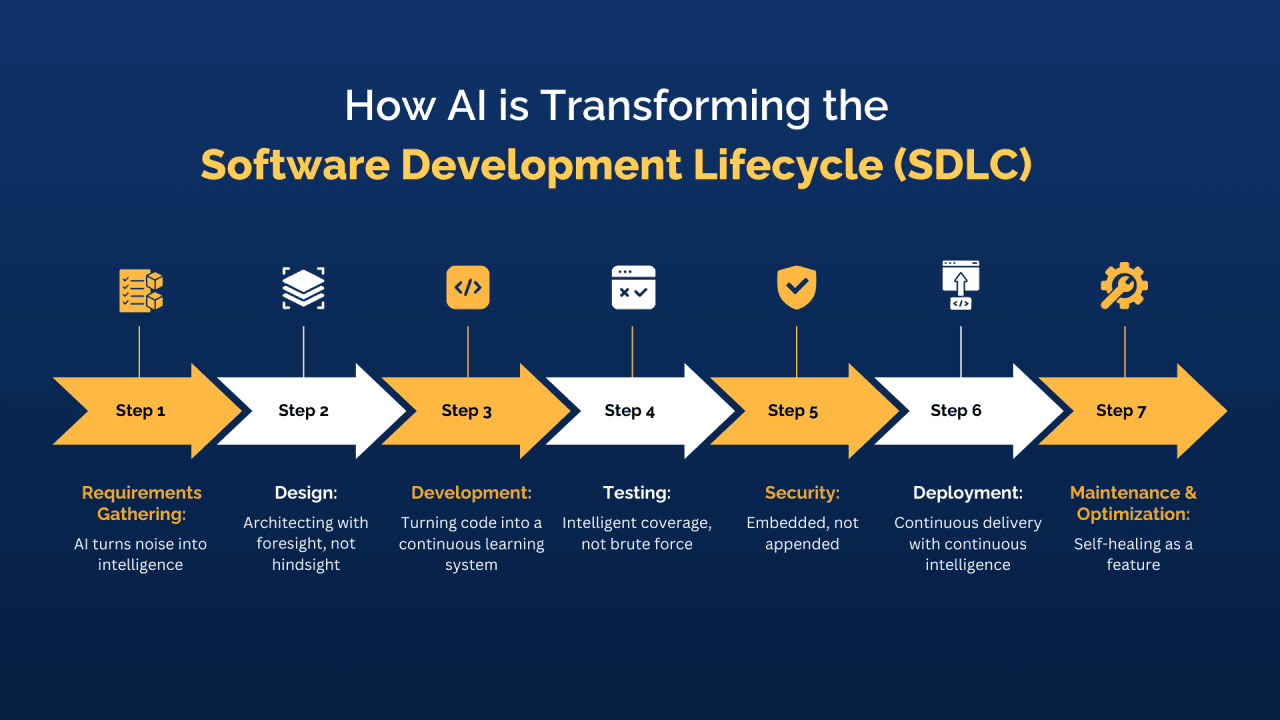
AI in Modern Development Workflows
Traditional web development requires manual coding, debugging, and optimization. AI-based tools are streamlining these processes today by assisting developers in creating optimal and flawless code.
Key contributions include:
Automated code generation and suggestions
Intelligent debugging and error detection
Performance and Readability Code Optimization
This minimizes development time so that developers can spend their time solving problems and designing the system.
Enhancing User Experience with AI.
Artificial intelligence allows websites to offer unique user experiences by gauging user activity and needs.
Applications include:
User activity based recommendation systems.
Chatbots for real-time customer support.
Dynamic content personalization.
Boost user retention and improve engagement on these features.
AI-Driven Performance Optimization.
Performance - A Key Aspect of Web Applications. It analyzes and eliminates potential bottlenecks while providing better performance.
Examples:
Smart image optimization.
Predictive caching mechanisms.
Traffic pattern based load balancing.
This ensures that load speed is faster, and we find better scale.
AI in Testing and Quality Assurance.
Development is hard, but testing is probably the most time consuming part of the development cycle. AI helps to automate and improve testing.
Key benefits:
Automated test case generation
Bug prediction and detection
Continuous testing in CI/CD pipelines
This leads to more reliable and stable applications.
Reduced testing times
Predictive Analytics for Quality
Smart Test Maintenance
Enhanced Accuracy
Improved Test Coverage
Real-World User Simulation.
Reduced Human Intervention.
AI-Powered Design and Development Tools.
The days of relying purely on sketch lines and color palettes for design guidance are dwindling as more and more modern tools embed AI-driven UX design assistance and even empower frontend development.
Examples include:
AI-based design generators
Layout and component suggestions
Conversion of design files into code
The software above allows designers and web developers to collaborate more effectively.
Challenges and Limitations:
Artificial intelligence has become a trending technology and brought numerous benefits to web development.
Along with these opportunities AI presents some challenges to web development as a discipline:
Reliance on AI generated code.
Transparency of decisions (black-box approach).
Security and privacy issues.
Requirement for new skills to manage AI technologies.
Organizations need to find the correct balance between automation and human control.
Where AI's headed next.
AI’s just warming up. Soon, it could build websites from scratch or let you “talk” to your site instead of clicking. Sites might adjust themselves on the fly, not just after updates but while users are browsing. Developers will spend less time on routine stuff and more time on inventing smarter systems.
Conclusion:
AI is already rewriting web development—faster, smarter, and more efficient. But with all this new power, companies have to think about how to use it right. Tech alone won’t cut it; combining human insight with smart AI is how you stay ahead. The organizations that get this balance right will build web experiences people remember, and set the pace for everyone else.